The Power of the Pause: Why the Wealthiest Americans Are Learning to Want Nothing Immediately
There is a particular kind of confidence that does not announce itself. It does not arrive with urgency or negotiate from a position of need. It enters a room already knowing it can afford to wait — and, more tellingly, that it chooses to.
This is the posture that has quietly redefined status signaling at the highest levels of American wealth. We are witnessing the emergence of what might be called the economics of deliberate deferral — a philosophy in which the willingness to wait, or to decline altogether, communicates more about one's position than any acquisition ever could.
The implications for how we understand luxury, access, and social capital are more profound than they first appear.
The Waiting List Has Always Existed. What Changed?
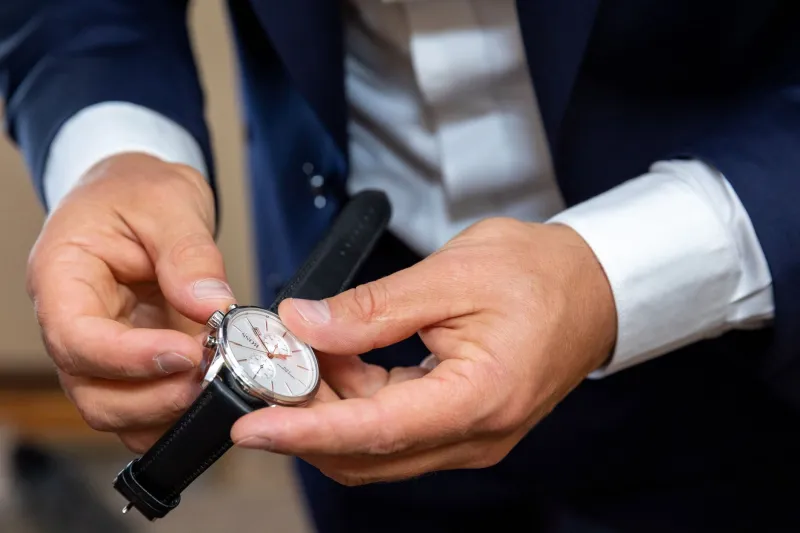
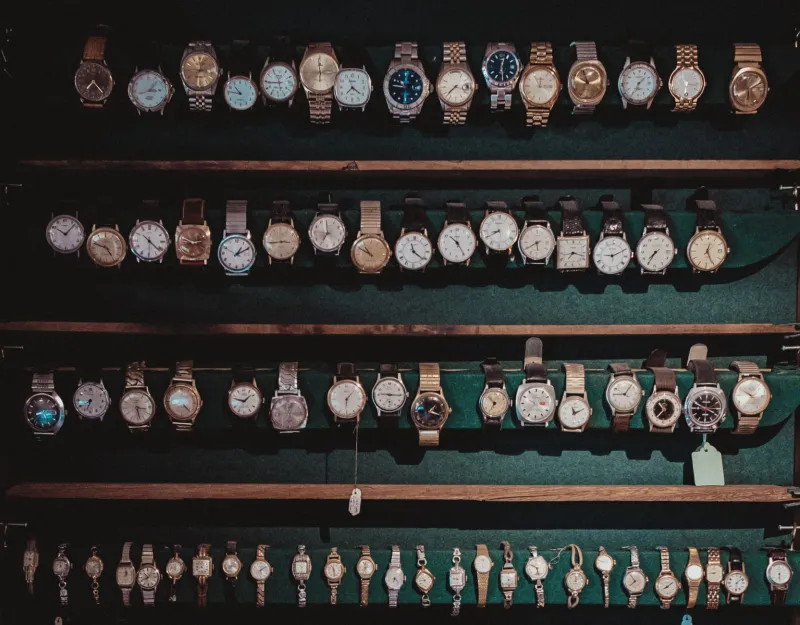
Waiting lists are not new to luxury markets. Certain timepieces have carried multi-year queues for decades. Specific handbag allocations have been the subject of relationship cultivation for just as long. But the dynamic that previously governed these queues was fundamentally one of desire meeting scarcity: the buyer wanted the object, the object was unavailable, and patience was simply the price of eventual acquisition.
What has shifted among America's ultra-high-net-worth community is something more interesting. The waiting list is no longer merely endured — it is, in many cases, preferred. And in the most extreme expressions of this philosophy, the private sale offer — that apex of traditional luxury service, in which a coveted object is made available outside the normal queue to a select individual — is being declined with a composure that speaks volumes.
The reasoning, as articulated by those within these circles, is worth examining carefully. To accept a private allocation is to signal that you wanted the object enough to move for it. To remain on the list, or to decline the offer entirely, is to signal something else: that the object needs you more than you need it.
Status Reconsidered
This inversion of the traditional luxury narrative reflects a broader evolution in how status is constructed and communicated among individuals whose wealth has passed a certain threshold. Below that threshold, acquisition remains the primary signal. The house, the car, the watch — these are still the vocabulary of success for most of the affluent population, and there is nothing wrong with that. These are genuine achievements and legitimate expressions of earned prosperity.
But above a certain level of wealth — a level where any object is, in principle, immediately acquirable — the acquisition itself ceases to carry meaningful information about one's position. Everyone in the room could buy it. The differentiating variable is therefore not whether you bought it, but how you bought it, when you bought it, and perhaps most powerfully, whether you bothered to buy it at all.
This is the context in which restraint becomes legible as power. The individual who has been offered a piece at private sale and declined it — not because they cannot afford it, but because they are in no particular hurry — has communicated something about their relationship to desire itself. They have demonstrated that they are not governed by wanting.
The UAE as a Theater for This Philosophy
The UAE, and Dubai in particular, has become a fascinating stage on which this dynamic plays out with unusual clarity. The concentration of ultra-high-net-worth individuals from across the globe — American tech founders, Gulf-region principals, European old money, Asian industrial families — creates a social environment in which the signals and counter-signals of status are legible across cultural contexts.
American collectors who engage with UAE-based private dealers and atelier houses have noted that the culture of deliberate restraint resonates particularly well in this environment. The Emirates has its own deep traditions of dignified patience — of allowing things to come to one rather than chasing them — and this creates a certain cultural consonance with the philosophy of deferral that America's most sophisticated buyers are now practicing.
Private dealers in this market have adapted accordingly. The most respected houses no longer offer their finest pieces with urgency. The approach is quieter, more elliptical. The object is made known. The conversation is opened. And then, notably, no pressure is applied. The expectation on both sides is that the right client will arrive at the right moment — and that rushing that process would diminish the meaning of the transaction for everyone involved.
What This Costs — and Why That's the Point
It would be naive to pretend that this philosophy is without cost. Declining a private sale allocation may mean waiting years for another opportunity. Remaining on a list by choice means living without the object in question, sometimes indefinitely. For collectors with genuine passion for specific categories, this requires a discipline that is more demanding than it sounds.
And that, precisely, is the point.
The willingness to absorb that cost — to sit with wanting something and choose, deliberately, not to move for it — is itself a demonstration of a quality that wealth cannot purchase directly: self-possession. The ability to govern one's own desire, to remain unhurried in a world that rewards urgency, to trust that one's position is secure enough to wait — these are not trivial capacities.
They are, in the final analysis, exactly the qualities that the most genuinely powerful people have always embodied. Luxury, at its most sophisticated, has always been about the expression of character as much as the acquisition of objects. The waiting list economy simply makes that truth more visible than it has been in some time.
The pause, it turns out, speaks louder than the purchase.